# Premier Logo Digitizing USA: A Complete Guide to Embroidery
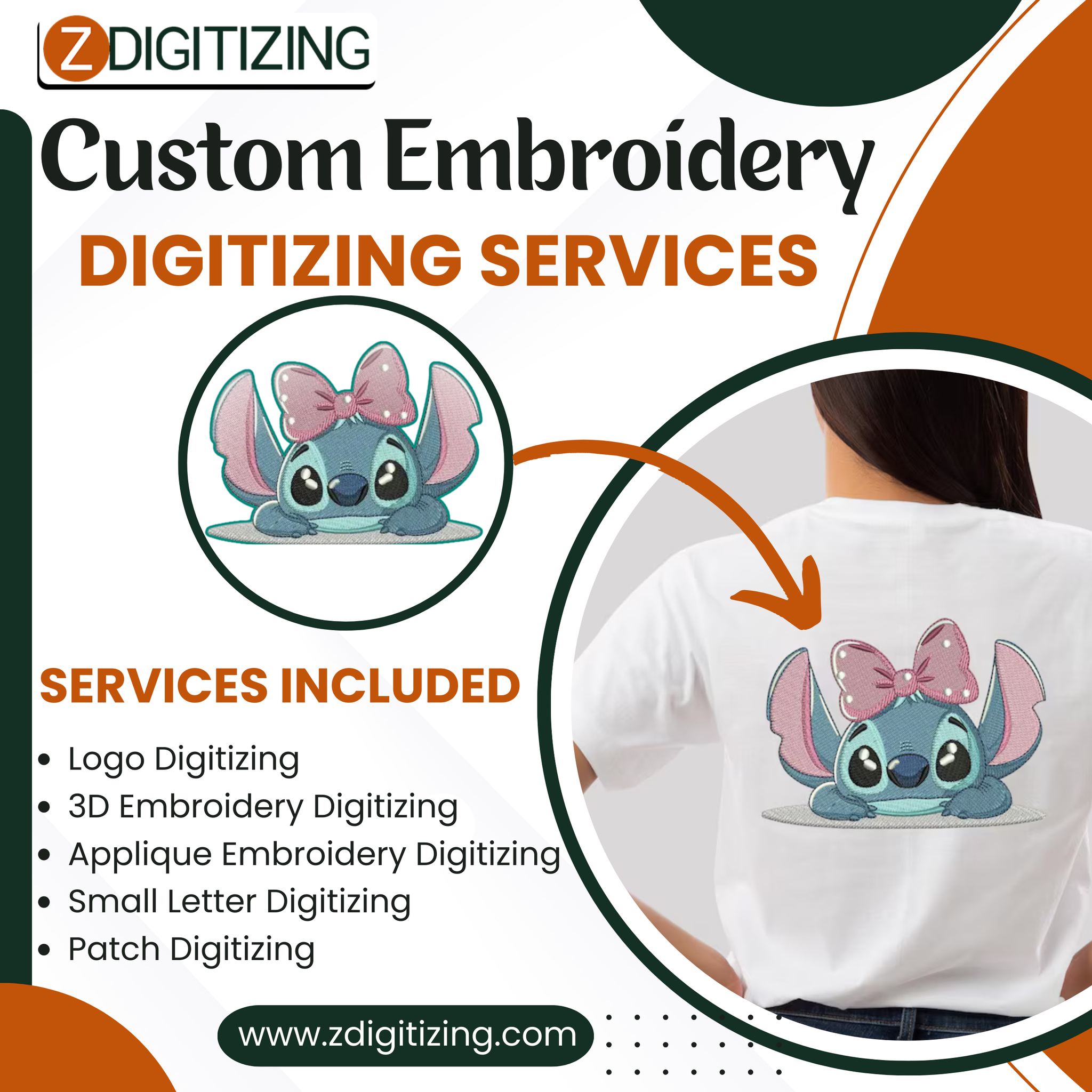
Custom embroidery continues to be one of the most trusted methods for creating a professional appearance across uniforms, promotional products, sportswear, and corporate apparel. Before any logo can be embroidered, it must be converted into a machine readable embroidery file through a process known as logo digitizing.
Choosing a ***[premier logo digitizing USA](https://zdigitizing.com/logo-digitizing-service/)*** helps ensure your artwork is accurately converted into a stitch file that delivers clean, consistent, and production ready embroidery. This article explains how logo digitizing works, why it matters, and what to consider when selecting a reliable service provider.
## What Is Logo Digitizing?
Logo digitizing is the process of converting artwork into a digital embroidery file that embroidery machines can read. This process is completed by trained digitizers who manually assign stitch types, stitch direction, density, compensation, and sequencing based on the design and the fabric.
Unlike simply changing an image format, logo digitizing requires technical knowledge and practical embroidery experience. Every design must be adjusted to produce smooth stitching while maintaining the original appearance of the logo.
## Why Professional Logo Digitizing Matters
A professionally digitized logo produces consistent embroidery with sharp details and accurate lettering. It also reduces production issues that may occur during stitching.
A high quality embroidery file helps achieve:
• Clean stitch formation
• Better readability of small text
• Reduced thread breaks
• Less fabric puckering
• Consistent embroidery across multiple garments
Professional digitizing also helps reduce production delays and minimizes wasted materials, making it a practical investment for embroidery businesses and organizations.
## Benefits of Choosing a Professional Logo Digitizing Service in the USA
### Accurate Stitch Planning
Experienced digitizers understand how different fabrics respond during embroidery. They adjust stitch density, underlay, and pull compensation to produce balanced and professional results.
### Machine Compatible File Formats
Professional services provide embroidery files in widely used formats including DST, PES, EXP, JEF, VP3, HUS, and other formats based on the embroidery machine being used. This ensures smooth production with fewer technical issues.
### Fast Turnaround
Many professional digitizing services offer quick turnaround without compromising file quality. This is especially valuable for businesses managing urgent customer orders or seasonal production.
### Quality Control
Reliable digitizers test embroidery files before delivery whenever possible. This process helps identify stitching issues early and improves the final embroidery outcome.
## Applications of Logo Digitizing
Logo digitizing is used across many industries where embroidered branding is required.
Common applications include:
* Corporate uniforms
* Sports team apparel
* School uniforms
* Promotional clothing
* Employee workwear
* Hats, jackets, polo shirts, and bags
Each application requires different stitch settings because every fabric behaves differently during embroidery.
## Factors That Influence Embroidery Quality
Several factors affect the final embroidered result after digitizing.
### Fabric Type
Lightweight fabrics require different stitch settings than heavy materials such as denim or canvas.
### Logo Complexity
Detailed logos with small lettering or thin lines require careful stitch planning to maintain readability.
### Design Size
A logo that looks good on the front of a jacket may require adjustments before being embroidered onto a cap or sleeve.
### Thread and Needle Selection
Proper thread and needle combinations contribute to cleaner stitching and improved durability.
## How Professional Digitizers Improve Results
Professional digitizers combine embroidery knowledge with advanced software to create efficient stitch paths. Rather than relying on automatic conversion tools, they manually optimize every section of the design.
This approach improves production efficiency while maintaining the appearance of the original artwork. It also helps reduce machine stoppages, thread trimming, and unnecessary stitch counts.
## Conclusion
Professional logo digitizing is an essential step for achieving high quality embroidery. A properly digitized file improves stitch accuracy, reduces production problems, and helps maintain a consistent brand image across embroidered products.
Whether you require embroidery for uniforms, promotional products, sportswear, or custom apparel, working with experienced digitizers helps ensure reliable results from the first stitch to the final product. Investing in quality digitizing also reduces long term production costs by minimizing errors and improving embroidery efficiency.
## Frequently Asked Questions
### What is logo digitizing?
Logo digitizing is the process of converting artwork into a machine readable embroidery file that instructs an embroidery machine how to stitch a design accurately.
### Which embroidery file formats are commonly used?
Common embroidery formats include DST, PES, EXP, JEF, VP3, HUS, and several others depending on the embroidery machine.
### Why is manual logo digitizing better than automatic conversion?
Manual digitizing allows experienced professionals to adjust stitch direction, density, compensation, and sequencing for better embroidery quality, while automatic conversion often produces inconsistent results.
### Can one digitized logo be used on different garments?
In many cases, separate versions are recommended because different fabrics and embroidery locations require different stitch settings to produce the best results.